Charcoal and Briquette: Global Trends, Trading Opportunities, and Industry Outlook (2025–2026)
The charcoal and briquette industry has experienced significant growth in recent years, driven by increasing global demand for cleaner alternative energy sources. These products are no longer viewed as traditional fuels alone but have evolved into high-value commodities used across multiple sectors, including shisha, BBQ grilling, industrial filtration, and sustainable energy solutions.
For trading companies, charcoal and briquettes represent a promising market with stable demand, strong export potential, and expanding global applications.
What Are Charcoal and Briquettes?
Charcoal is a carbon-rich material produced through the controlled burning of organic materials such as wood or coconut shells in a low-oxygen environment. It is widely valued for:
-
High calorific value
-
Stable and efficient combustion
-
Lower smoke emissions compared to raw wood
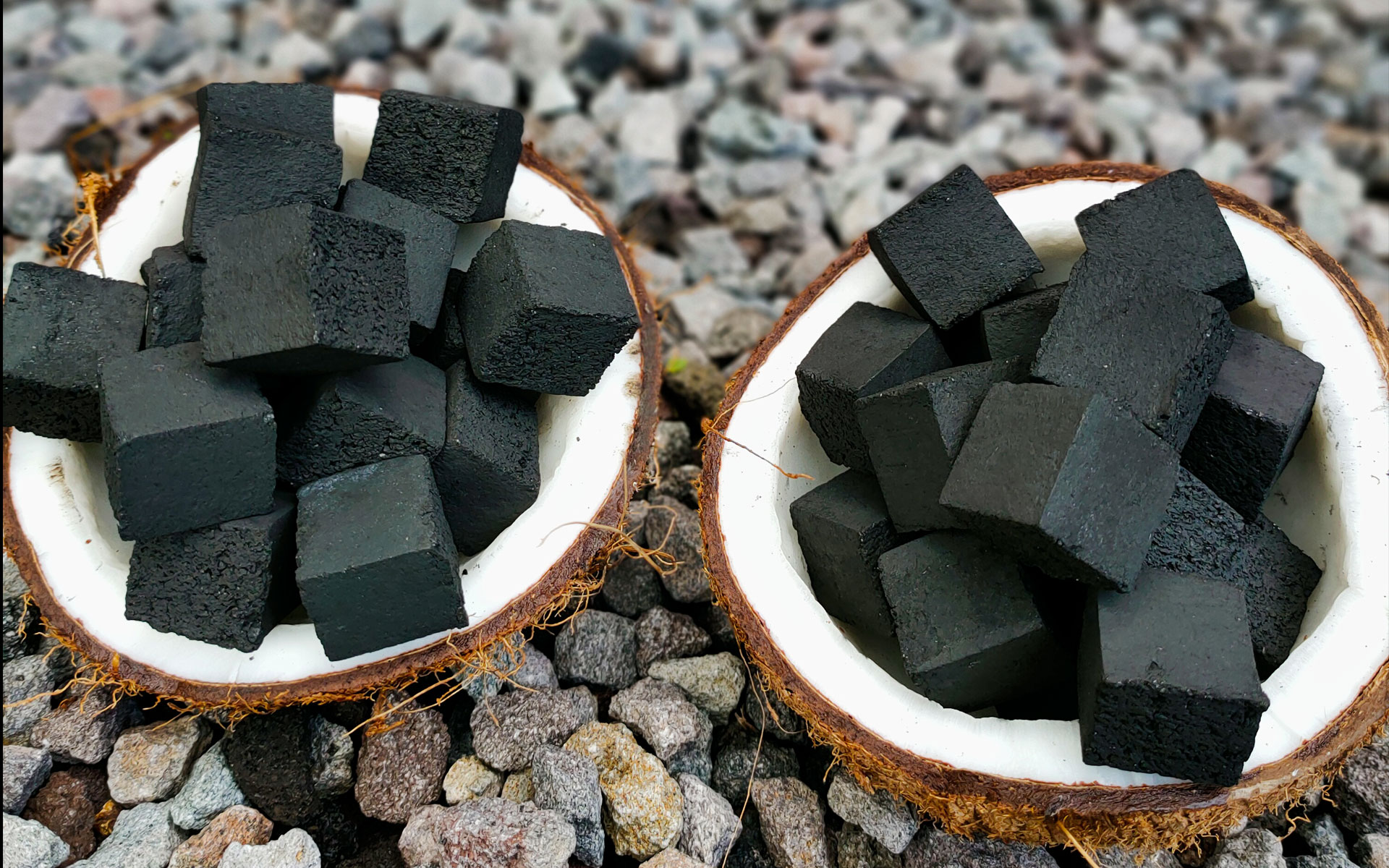
Charcoal briquettes, on the other hand, are processed charcoal products formed into specific shapes such as cubes, hexagonal sticks, or pillow shapes using natural binders like tapioca starch. Key advantages include:
-
Consistent size and shape
-
Longer burning duration
-
Easier storage and transportation
Latest Global Market Conditions
Global demand for charcoal and briquettes continues to show steady growth, supported by sustainability trends and diversified industrial uses.
1. Rising Demand for Eco-Friendly Fuel
Consumers and industries worldwide are shifting toward environmentally friendly fuel alternatives. Coconut shell charcoal briquettes have gained popularity due to their lower emissions, high efficiency, and renewable raw materials.
2. Increasing Raw Material Prices
In recent years, charcoal prices have experienced upward pressure due to increased demand and supply chain constraints. Coconut shell charcoal, in particular, has seen significant price growth as it is also widely used in activated carbon production.
3. Expansion of Export Markets
Charcoal briquettes are now exported to over 160 countries, with strong demand from the Middle East, Europe, East Asia, and North America. Indonesia has become one of the leading global exporters, known for high-quality coconut shell briquettes.
Indonesia’s Position in the Charcoal Industry
Indonesia holds a strategic position in the global charcoal and briquette market, especially in coconut shell-based products. Key advantages include:
-
Abundant coconut resources
-
Consistent product quality
-
Competitive pricing
-
Established export networks
These strengths position Indonesian suppliers and trading companies as key players in the international supply chain.
Applications and Uses
Charcoal and briquettes are widely used across various industries:
-
Shisha / Hookah charcoal – Premium market with strong demand in the Middle East and Europe
-
BBQ and grilling – Popular in the United States, Asia, and Europe
-
Activated carbon industry – Water purification, air filtration, and industrial processing
-
Alternative energy – Renewable fuel option in certain regions
Cube-shaped briquettes remain among the most sought-after products for shisha due to their long burning time and stable heat output.
Trading Opportunities and Future Outlook
The charcoal and briquette market offers promising opportunities for traders, distributors, and investors. Key growth drivers include:
-
Expansion of renewable energy markets
-
Increasing global focus on sustainability
-
Rising demand in hospitality and food industries
-
Growth of international trade networks
Market projections suggest continued expansion through the next decade, making charcoal and briquettes attractive commodities for long-term trading strategies.
However, businesses should also consider potential challenges such as environmental regulations, raw material availability, and increasing global competition.
Conclusion
Charcoal and briquettes have evolved from traditional fuel products into globally traded commodities with strong market demand and diverse applications. With sustainability trends and expanding international markets, the industry presents significant opportunities for trading companies seeking long-term growth.
Focusing on product quality, reliable supply chains, and market understanding will be key factors for success in this competitive and rapidly growing sector.